MAYOR’S WEEK: 18 – 24 OCTOBER 2026
This week I have been celebrating some of the things that make Worcester the city we all love.
I have seen this in the stories of those who came before us and from some of our enthusiastic young people who are still writing their futures.
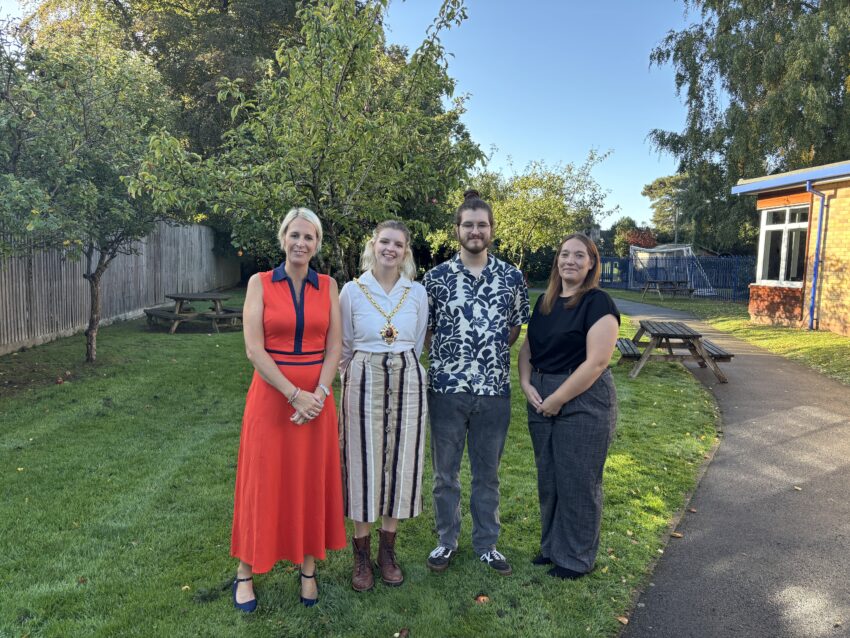
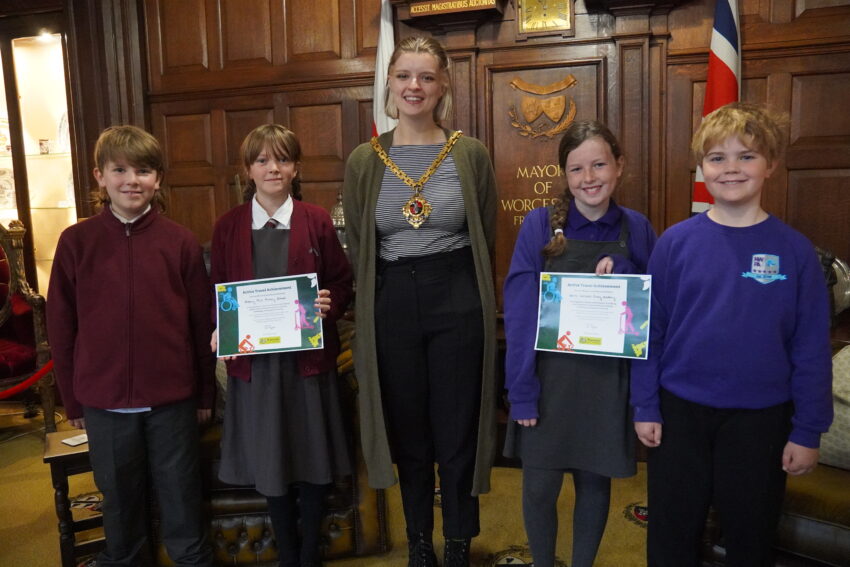
I had the pleasure of celebrating the active travel achievements of some of our primary schools.
Many schools have worked hard, alongside parents and governors to get their pupils walking, wheeling, cycling and scooting to school.
As a former teacher, I am always excited to see young people taking an active role in improving their communities.
Walking or cycling to school is a fantastic way to start the day, helping children feel energised, confident and ready to learn. It also means fewer cars on our roads, reducing pollution and making the streets around our schools safer for everyone.
These may seem like small changes, but collectively they can have an enormous impact on our city and on our young people.
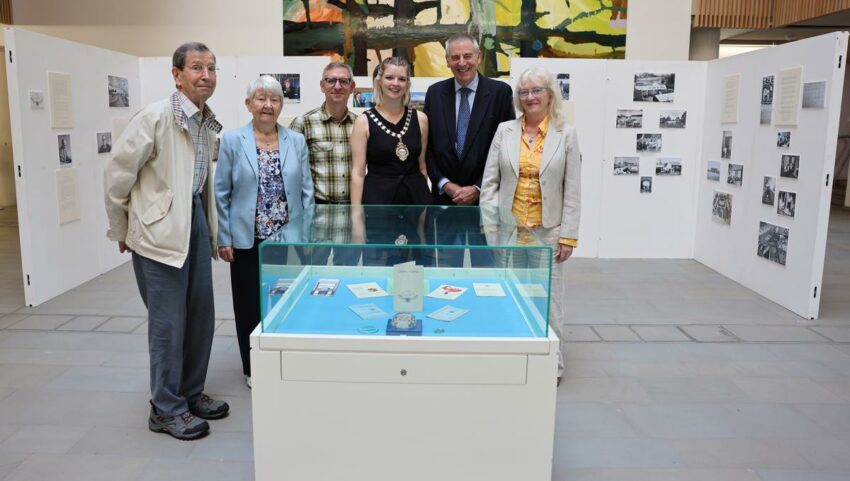
I also had a fascinating behind the scenes tour of the Museum of Royal Worcester.
The museum houses an extraordinary collection of porcelain, showcasing the craftsmanship and creativity that made Worcester famous around the world.
However, I was particularly captivated by what was hidden away in the archives.
We explored historical documents, including the original timesheets of factory employees.
It was remarkable to see these records and think about the thousands of ordinary people whose skills and dedication helped build our city.
Every name, every piece of pottery, represented a real person, with their own ambitions, struggles and experiences.
So many of these people’s stories no longer remain but they are just as much a part of our city’s heritage as the intricate porcelain on display.
Thank you to the museum team for such an insightful visit.
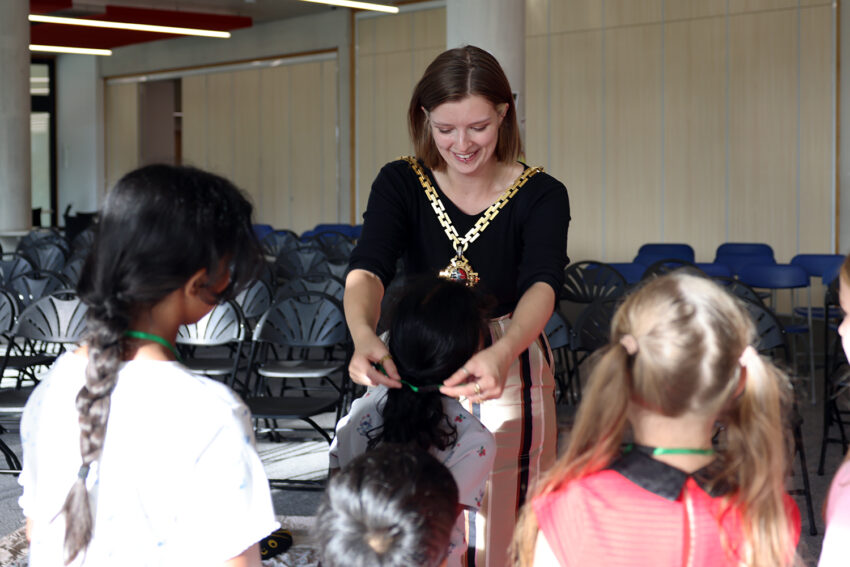
Finally, I visited Oasis Hub in Warndon.
From youth work and environmental projects to toddler groups, family learning, holiday activities and adult education, there is something for almost everyone.
My theme for this mayoral year is community and Oasis Hub is an excellent example of what that means in practice.
Spaces like this offer far more than activities. They create friendships, build confidence and ensure people have somewhere to turn when they need support.
Thank you to everyone at Oasis Hub for your dedication. It is often the determination and generosity of people working quietly behind the scenes that makes the greatest difference to our communities.